Facial Skin Care

24.07.2025

Facial skin care is key to healthy, youthful-looking skin. A proper skincare routine can help reduce problems like acne, wrinkles, dry skin, and other imperfections.
Keep in mind that each skin type may require different care, so it’s important to tailor your routine to your personal needs.
Here are some basic steps and tips for facial skin care:
Daily Skin Care Routine
Cleansing
• Morning and Evening: Cleanse your face twice a day, morning and evening. Use a cleanser that suits your skin type (dry, oily, combination, or sensitive).
• Deep Cleansing: Cleanse your skin using gentle circular motions to remove impurities and excess oil.
Toner
• Toner can help balance your skin’s pH levels and prepare your skin for the next steps. Choose alcohol-free toners that are gentle on your skin.
Serum
• Serums are concentrated formulas that target specific concerns (e.g. wrinkles, hyperpigmentation, acne). Choose a serum that suits your needs, such as hyaluronic acid for hydration or vitamin C for brightening.
Hydration
• Use a moisturizer that suits your skin type. Moisturizers help lock in moisture and keep your skin soft.
e. Sunscreen
• Apply a sunscreen (SPF 30 or higher) during the day to protect your skin from UV rays that can cause aging and damage.
Weekly Routine
Exfoliation
• Use an exfoliant once or twice a week to remove dead skin cells and improve skin texture. You can use chemical peels (e.g. AHA or BHA) or physical peels (e.g. with fine particles).
Mask
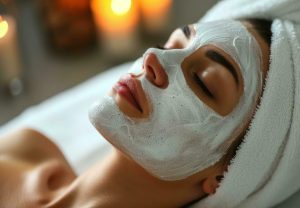
• Apply a nourishing mask once a week that suits your skin’s needs (moisturizing, cleansing, brightening).
Additional Tips
• Hydration: Drink plenty of water throughout the day, as this helps keep your skin hydrated from within.
• Healthy Lifestyle: Eating a balanced diet rich in fruits, vegetables, and healthy fats also benefits your skin health.
• Good Sleep: Quality sleep is essential for skin regeneration.
• Stress: Effective stress management through techniques such as meditation or yoga can affect the quality of your skin.
• Regular visits to a dermatologist: If you have specific skin problems such as acne, eczema, or rosacea, consult a dermatologist for appropriate treatment.
Determining Your Skin Type
Before choosing skin care products, it is helpful to determine your skin type:
• Normal Skin: Balanced, without dryness or oiliness.
• Dry Skin: Feeling tight, dry, flaky.
• Oily skin: Excessive sebum production, acne-prone.
• Combination skin: A combination of dry and oily skin.
• Sensitive skin: Prone to redness, itching or irritation.