Important foods after 40

20.08.2025

After the age of 40, our bodies begin to change, which brings with it specific nutritional needs.
Metabolism often slows down, muscle mass can decrease, the risk of chronic diseases (such as cardiovascular disease, osteoporosis, type 2 diabetes) increases, and hormonal changes become more pronounced (especially in premenopausal and menopausal women).
Therefore, it is all the more important to focus on foods that support health and vitality during this period of life.
Guidelines for nutrition after 40
Prioritize quality protein:
o Why: After 40, the natural process of muscle mass loss (sarcopenia) begins and accelerates. Protein is essential for maintaining and building muscle. Enough protein also helps with satiety, weight management, and maintaining stable blood sugar.
o Guideline: Include a source of protein in every meal. Choose lean meats, poultry, fish, eggs, legumes, tofu, quinoa, Greek yogurt, and cottage cheese.
Focus on fiber:
o Why: Fiber is essential for healthy digestion, blood sugar, and cholesterol control. It also helps to keep you full and prevents constipation, which is more common with age. Soluble fiber is especially important for heart health.
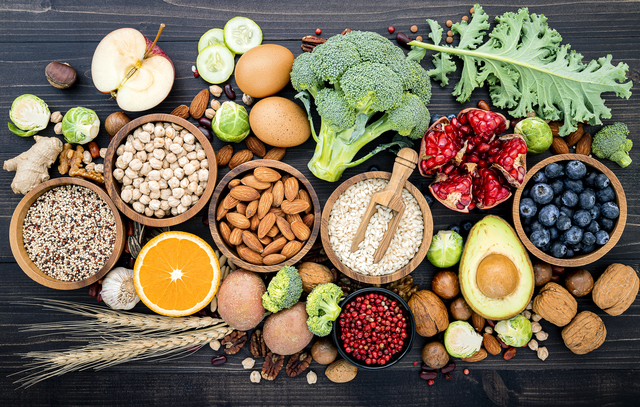
o Guideline: Increase your intake of fruits, vegetables, whole grains, legumes, nuts, and seeds.
Don’t forget about healthy fats:
o Why: Healthy fats are essential for heart and brain health, absorption of fat-soluble vitamins (A, D, E, K), and hormone regulation. Omega-3 fatty acids are especially important for reducing inflammation, which contributes to aging and chronic disease.
o Guideline: Include avocados, extra virgin olive oil, nuts, seeds, and fatty fish (salmon, mackerel, sardines).
Emphasize calcium and vitamin D:
o Why: The risk of osteoporosis (thinning of the bones) increases after age 40, especially in postmenopausal women. Calcium and vitamin D are essential for strong bones. Vitamin D also plays an important role in the immune system, mood, and overall vitality.
o Guideline: Eat dairy products (yogurt, kefir, cheese) or fortified plant-based drinks, dark leafy greens (for calcium). For vitamin D, get some sun exposure (in moderation) and consider taking a supplement, especially in the winter months.
Pay attention to vitamin B12:
o Why: As you age, your ability to absorb vitamin B12 from food may decrease, as your body produces less stomach acid, which is needed for its absorption. A deficiency in B12 can cause fatigue, anemia, and neurological problems.
o Guideline: Eat animal-based foods (meat, fish, eggs, dairy) regularly. Vegetarians and vegans should consider supplements or fortified foods.
Increase your intake of antioxidants and anti-inflammatory foods:
o Why: They reduce oxidative stress and inflammation in the body, which are key factors in aging and the development of chronic diseases.
o Guideline: Include plenty of colorful fruits and vegetables (berries, broccoli, spinach, red peppers), green tea, turmeric, and ginger.
Reduce your intake of processed foods, sugar, and salt:
o Why: These substances contribute to weight gain, inflammation, insulin resistance, high blood pressure, and an increased risk of chronic diseases.
o Guideline: Focus on whole, unprocessed foods.
Advantages and Benefits of Targeted Nutrition After 40
• Maintaining a Healthy Weight: A slower metabolism requires more thoughtful choices that ensure satiety and prevent fat storage.
• Strengthen bones and prevent osteoporosis: Key to mobility and quality of life in later life.
• Cardiovascular health: Reduce the risk of high blood pressure, high cholesterol and heart disease.
• Stable energy and better mood: The right nutrients prevent energy drops and support neurotransmitters.
• Maintaining muscle mass: Key to strength, mobility and metabolism.
• Better digestion: Fiber and probiotics contribute to a healthy gut.
• Stronger immune system: Better resistance to infections.
• Improved appearance of skin, hair and nails: Antioxidants and healthy fats nourish the skin from the inside.
• Reduced risk of chronic diseases: Prevent type 2 diabetes, some cancers and neurodegenerative diseases.
It is always recommended to consult your doctor or registered dietitian before making significant changes to your diet or starting supplements, as individual needs may vary depending on your health condition, lifestyle and possible medications.
Making thoughtful nutritional choices after age 40 can have a major impact on your health and vitality, ensuring a quality life for decades to come.