
Low-calorie foods

09.08.2026
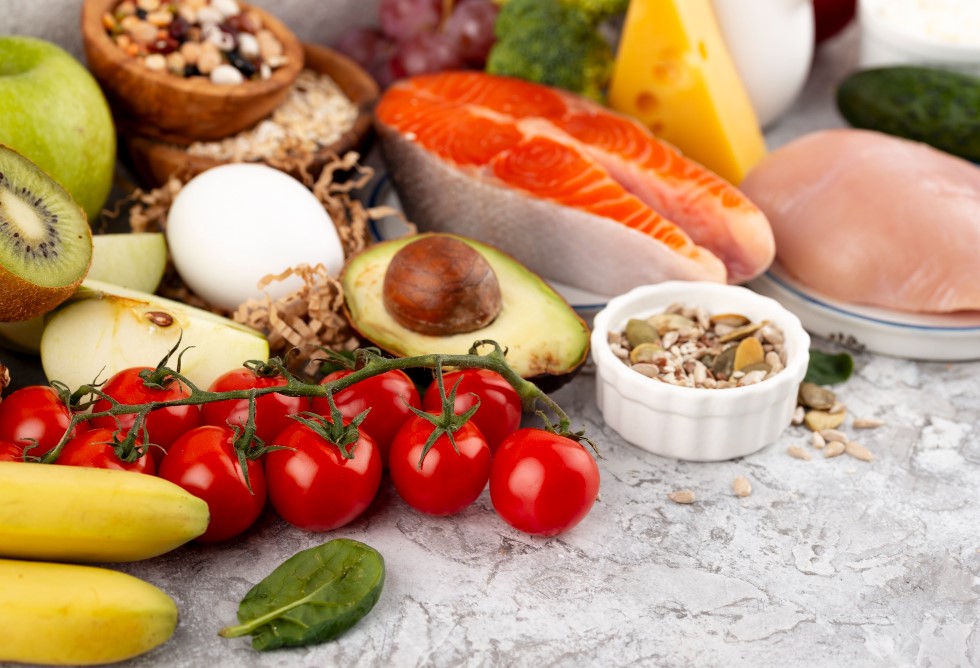
Low-calorie foods play a key role in weight management and overall health.
Due to their high nutrient density (high in water, fiber, vitamins, and minerals, but low in calories), they are an essential element of any balanced diet.
- Importance (why is it important?)
- Allows for a calorie deficit without starvation: A calorie deficit is necessary for weight loss. Low-calorie foods allow you to eat structurally the same (or even more) amount of food without exceeding your daily energy intake.
- Stomach volume (satiety): The stomach senses satiety based on physical distension. Low-calorie foods (such as vegetables and some fruits) fill the space in the stomach and send a signal to the brain that you are full.
- High nutrient density: Most low-calorie foods are extremely rich in micronutrients (vitamins, minerals, antioxidants), which means that the body gets everything it needs to function without unnecessary empty calories.
- Benefits (What do you gain in practice?)
- Larger portions (“Volume Eating”): Instead of a small portion of calorie-dense food (e.g. a slice of pizza), you can treat yourself to a huge bowl of salad with vegetables, lean protein and enriched dressing, which brings greater mental and physical satisfaction after the meal.
- Blood sugar stabilization: Most low-calorie foods have a low glycemic index and high fiber content, which prevents sudden spikes and drops in blood sugar and the resulting hunger attacks or cravings for sweets.
- Easier weight maintenance: Once you understand which foods offer a lot of volume for few calories, maintaining a slim figure becomes an easy and sustainable habit without the feeling of constant deprivation.
- Benefits (What are the long-term health effects?)
- Improved digestion and less bloating: Due to their high water and fiber content (e.g. in cucumbers, zucchini, green and leafy vegetables), these foods speed up digestion, have a mild diuretic effect, and prevent constipation and water retention.
- Lower risk of chronic diseases: Regular consumption of low-calorie, antioxidant-rich foods reduces the risk of developing cardiovascular disease, type 2 diabetes, and some forms of cancer.
- Better hydration: Many low-calorie foods contain more than 90% water, which directly contributes to all-day hydration of the body, better regeneration, and better skin appearance.
Examples of extremely low-calorie foods:
Food | Round energy value (per 100 g) | Main feature |
Cucumbers and celery | ~ 15 kcal | Almost pure water, excellent for detoxification and hydration. |
Spinach and zucchini | ~ 20 kcal | Exceptional volume, rich in fiber and minerals. |
Berries (strawberries, blueberries) | ~ 32–50 kcal | The best choice of fruit with low calories and high antioxidants. |
Egg whites | ~ 50 kcal | Almost pure protein for maintaining muscle mass during weight loss. |
Golden rule: Low-calorie foods should be the base (foundation) of your plate, to which you then add the appropriate amount of healthy protein and fat for a complete and balanced meal.
You may like these too
Signs You’re Eating Too Much Fiber
Fiber is the “good guy” of the diet in 90 percent of cases, but as the saying goes: too
12.08.2026

Light Summer Meals for More Energy
When the summer heat hits, we often feel drained and sleepy. The reason is that the body uses a lot
10.08.2026
What to Eat Instead of Bread
Bread is often the main source of carbohydrates at meals, but there are many nutritious and deliciou
09.08.2026
Beetroot
Beetroot is a true superfood, full of nutrients and medicinal properties that have a beneficial effe
09.08.2026