
Anti-aging Guidelines

06.10.2026
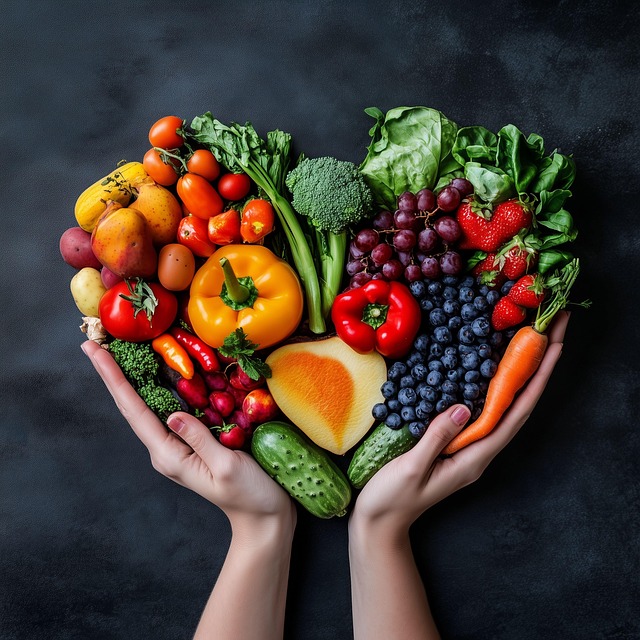
An effective and comprehensive approach to slowing down the aging process (anti-aging or healthy aging) requires integrating nutrition, lifestyle, skincare, and appropriate bodily support.
- Nutritional Guidelines and Supplements
- Antioxidant-rich diet: Consume a variety of natural foods (berries, dark leafy greens, nuts, seeds, and medicinal spices such as turmeric and ginger) to combat free radicals.
- Healthy fats for cell membranes: Include sources of omega-3 fatty acids (salmon, sardines, chia seeds, walnuts) to support brain and heart health as well as skin hydration.
- Sugar control: Reduce the intake of refined sugar and processed carbohydrates, as they cause glycation—a process that damages collagen and elastin in the skin and accelerates age-related changes.
- Quality protein: Maintain adequate protein intake (eggs, legumes, lean meat, fish) to prevent muscle loss (sarcopenia) and support tissue repair.
- Effective supplements: In consultation with a doctor or specialist, consider supplementing with vitamins D3 and K2, coenzyme Q10, magnesium, and collagen. 2.
2. Lifestyle and habits
- Quality sleep (7–9 hours): Sleep is when the most intense cell renewal, growth hormone secretion, and clearance of brain waste products (via the glymphatic system) occur.
- Regular and varied physical activity:
- Cardio exercise: Improves microcirculation and oxygen flow to cells.
- Weight/bodyweight training: Maintains bone density and muscle mass, and boosts metabolism.
- Stress management: Chronically elevated cortisol accelerates telomere shortening (DNA’s protective caps) and causes inflammation. Breathing exercises, meditation, time in nature, or saunas can help.
- Intermittent fasting: Occasional time-restricted eating (e.g., a 16:8 window) stimulates autophagy—a natural process in which cells break down and clear away their damaged components.
- Skincare and environmental protection
- Daily SPF protection: UV rays are responsible for over 80% of visible signs of premature skin aging (photoaging). Use sunscreen daily, regardless of the season.
- Active ingredients in skincare:
- Retinoids (Vitamin A): Stimulate cell renewal and collagen synthesis.
- Vitamin C: Brightens the complexion and acts as an antioxidant shield.
- Hyaluronic acid and ceramides: Maintain moisture and the skin’s protective barrier.
- Hydration: Drinking enough water is crucial for skin elasticity and flushing toxins from the body.
- What should be avoided?
Smoking and excessive alcohol consumption: They drastically reduce oxygen and nutrient levels in tissues and deplete vitamin C stores.
Chronic lack of physical activity: Prolonged sitting “switches off” key metabolic enzymes.
Excessive exposure to tanning beds and the sun: It irreversibly damages the skin’s collagen network.
💖 💖 💖 💖 💖 💖
You may like these too
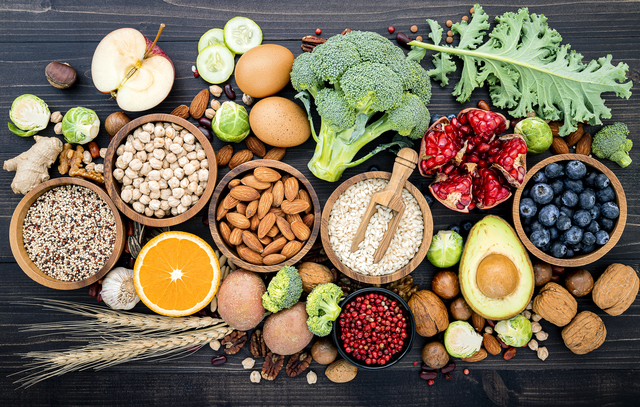
Foods to Include in Your Daily Diet
Food is fuel for our body. By choosing high-quality foods, we can do a great deal every day for our
12.11.2026
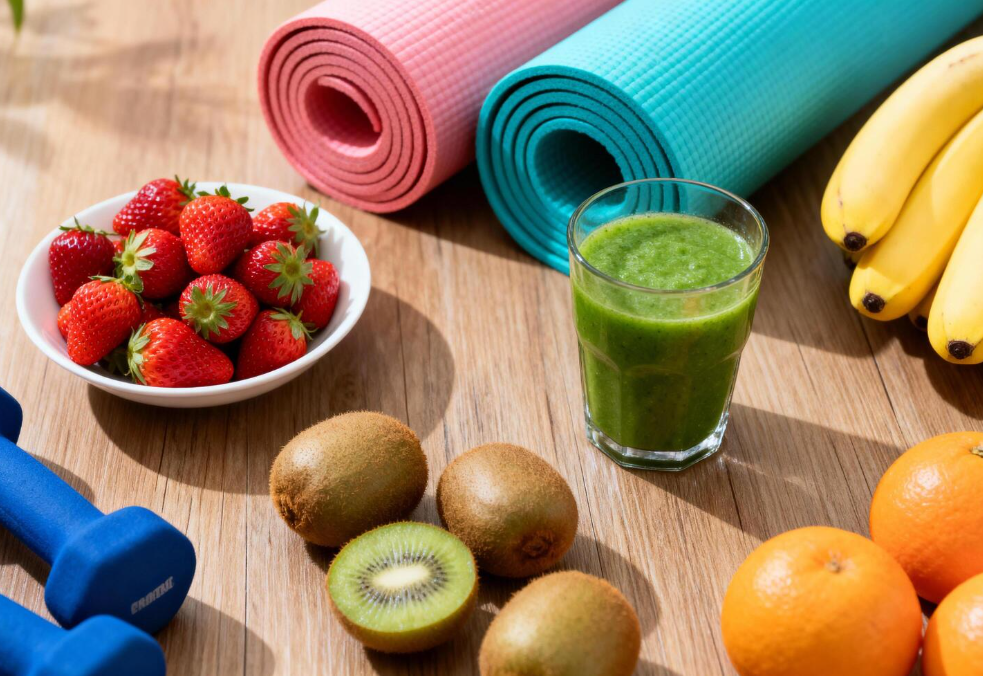
The Secret to a Healthy Lifestyle
A healthy lifestyle is not just a one-time decision; it is the way we care for our body, mind, and w
12.11.2026

Simple Ways to Reduce Calorie Intake
Many people believe that losing weight requires eating very little. In reality, what you eat is far
12.11.2026

Reading Food Labels
Reading Food Labels – How to Read Them Correctly and Why? Food labels are an important source of i
12.11.2026