
Proper nutrition and the body’s natural defenses

06.10.2026
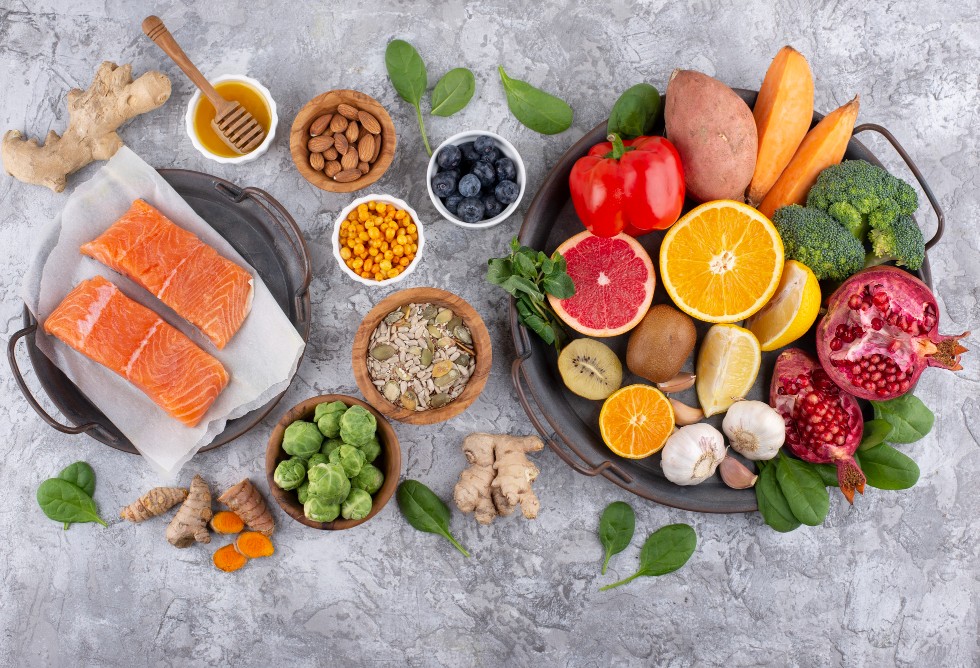
Nutrition plays a key role in the functioning of the immune system.
The body’s natural defenses act as a well-coordinated defense mechanism that requires the right nutrients, sufficient hydration, and a healthy gut microflora to function effectively.
- Gut Health – The Heart of the Immune System
Approximately 70-80% of the immune system’s cells are located in the gastrointestinal tract. Therefore, a balanced gut microbiota is the basis for a strong natural defense.
- Probiotics (good bacteria): Fermented foods such as unsweetened kefir, homemade yogurt, sauerkraut, turnips, and kombucha directly strengthen the intestinal barrier.
- Prebiotics (food for good bacteria): Fiber from garlic, onions, leeks, spinach, oats, and legumes acts as fuel for the beneficial bacteria in the gut.
- Key Micronutrients for Immune Immunity
Immune cells need specific vitamins and minerals to reproduce and function:
- Vitamin C: A powerful antioxidant that stimulates the production of white blood cells.
Sources: Red and yellow peppers, broccoli, citrus fruits, berries, sauerkraut.
- Vitamin D: Acts as a hormone that activates immune cells to fight infections.
Sources: Fatty fish (salmon, sardines), egg yolks, and sun exposure (supplements are recommended in the fall and winter).
- Zinc: A key mineral for the development and function of immune cells and tissue healing.
Sources: Pumpkin and sunflower seeds, legumes, nuts, lean beef, and seafood.
- Vitamin A (Beta-carotene): Maintains the integrity of mucous membranes (respiratory, gastrointestinal), which are the first line of defense against invading microorganisms.
Sources: Sweet potatoes, carrots, spinach, pumpkin.
- Selenium: Protects cells from oxidative stress and inflammation.
Sources: Brazil nuts (just 1–2 per day are sufficient for the daily intake), eggs, fish.
- Natural antibiotics and anti-inflammatory foods
Certain foods contain active compounds with direct antimicrobial and anti-inflammatory effects:
- Fresh garlic and onions: Contain allicin, which has antibacterial and antiviral effects. (For best results, crush garlic before eating and let it stand for 10 minutes).
- Ginger and turmeric: Powerful natural anti-inflammatory drinks. Curcumin in turmeric (combined with a pinch of black pepper for better absorption) and gingerol in ginger help calm inflammatory processes.
- Green tea: Rich in catechins, which inhibit the reproduction of viruses.
- What to avoid to maintain a strong immune system?
Some dietary habits can temporarily “numb” or weaken the immune system:
- Refined sugars: Excessive sugar intake can noticeably reduce the ability of white blood cells to kill bacteria for several hours after a meal.
- Ultra-processed foods and trans fats: Cause chronic low-grade inflammation, which depletes immune resources.
- Excessive alcohol and dehydration: Alcohol dehydrates the body and destroys gut bacteria levels.
Daily Review: Nutrition for Immunity
Part of the Day Natural Immune Support
Morning Glass of lukewarm water with lemon and a little grated ginger
Breakfast Oatmeal with Greek yogurt, berries and seeds
Lunch Large salad with peppers, carrots, pumpkin seeds and olive oil +
lean protein source
Afternoon Green tea or handful of Brazil nuts/almonds
Dinner Vegetable stew with garlic, leeks, legumes and turmeric
💖 💖 💖 💖 💖 💖
You may like these too
Anti-aging Guidelines
An effective and comprehensive approach to slowing down the aging process (anti-aging or healthy agi
06.10.2026
Proper nutrition and the body’s natural defenses
Nutrition plays a key role in the functioning of the immune system. The body’s natural defenses ac
06.10.2026
Key nutrients that slow down aging and maintain vitality
Slowing down the aging process (the so-called anti-aging or healthy aging concept) relies on reducin
30.09.2026
Brain-healthy food
Brain-healthy food is crucial for concentration, memory, mood, and long-term mental health. Below is
29.09.2026