
Proper food shopping in the summer

06.08.2026
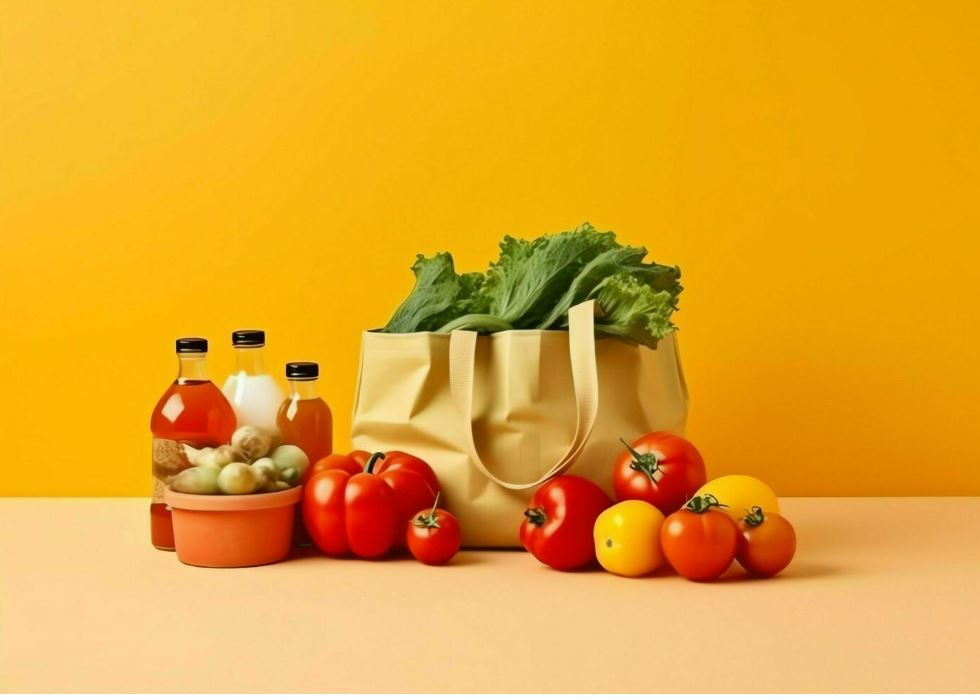
The heat not only affects how we feel, but also how quickly food spoils.
In the summer, bacteria (such as salmonella, e-coli and listeria) in food multiply at an astronomical rate.
Therefore, proper shopping is the first and key step to safe summer eating without digestive problems.
1. Plan your shopping order (Golden Rule)
Shop strategically at the store. Put the food in the cart in such an order that the most sensitive ones are at room temperature for the shortest time possible:
1. First: Durable foods (canned food, pasta, flour, oil).
2. Then: Fresh vegetables and fruit.
3. Towards the end: Products from the refrigerator (yogurt, cheese, spreads, butter).
4. Right at the end (right before the checkout): Fresh meat, fish, delicatessen and frozen food.
2. Mandatory equipment: A cool bag in the car
A car parked in front of a store turns into an oven in the summer. The temperature inside can exceed 50 °C in a few minutes.
• Always keep a thermos or an insulated cool bag in the trunk (even better with a couple of frozen ice packs/penguins).
• Put all cold and frozen foods in it immediately after leaving the store.
• Do not leave food in a hot trunk while you go shopping in other stores. The route home should be as direct as possible.
3. What and how to choose on the shelves?
• Check the packaging: Do not buy food in damaged, bloated or damp packaging. A bloated lid on yogurt or an expired expiration date are red flags in the summer.
• Avoid buying “travel” foods: If you notice water droplets (condensation) forming on packaged meat or cheese in the store’s refrigerator, this means that the store’s cooling system is not working properly or the food has been out for too long. Do not buy such items.
• Fresh meat and fish: Only buy them where they are placed on a thick layer of ice or in properly functioning refrigerated display cases. If the meat changes color (turns gray-brown) or has a strange odor, leave it on the shelf.
• Eggs: In the summer, only buy eggs that are kept in the store’s refrigerator section, not on regular shelves.
4. Be careful at local markets
Local markets are wonderful in the summer for their fresh fruit and vegetables, but be careful with other products:
• Dairy and meat products: Only buy cheese, cottage cheese, cured meats and eggs from vendors who have proper refrigerated display cases. Avoid buying these foods from ordinary wooden tables where they are exposed to the sun and heat.
• Fresh fish: Only buy them at the market early in the morning when the temperatures are still bearable, and be sure to ask the seller to pack them with some ice.
5. Immediately after arriving home
• Without delay in the refrigerator: As soon as you walk in the door, put away your meat, fish and dairy products first. Only then put away your clothes, drink water or put away your non-perishable foods.
• Proper storage in the refrigerator: Store fresh meat and fish on the lowest shelf of the refrigerator (where it is coldest) and make sure they are tightly closed so that their juices do not drip onto other foods (e.g. vegetables that you will eat raw).
🌡️ No perishable food (meat, dairy products, ready meals) should be left at room temperature for more than one hour in the summer (no more than half an hour if it is above 30 °C outside). If you exceed this time, it is better to throw the food away for safety reasons.
You may like these too
Signs You’re Eating Too Much Fiber
Fiber is the “good guy” of the diet in 90 percent of cases, but as the saying goes: too
12.08.2026

Light Summer Meals for More Energy
When the summer heat hits, we often feel drained and sleepy. The reason is that the body uses a lot
10.08.2026
What to Eat Instead of Bread
Bread is often the main source of carbohydrates at meals, but there are many nutritious and deliciou
09.08.2026
Beetroot
Beetroot is a true superfood, full of nutrients and medicinal properties that have a beneficial effe
09.08.2026