
Hair restoration

06.11.2026
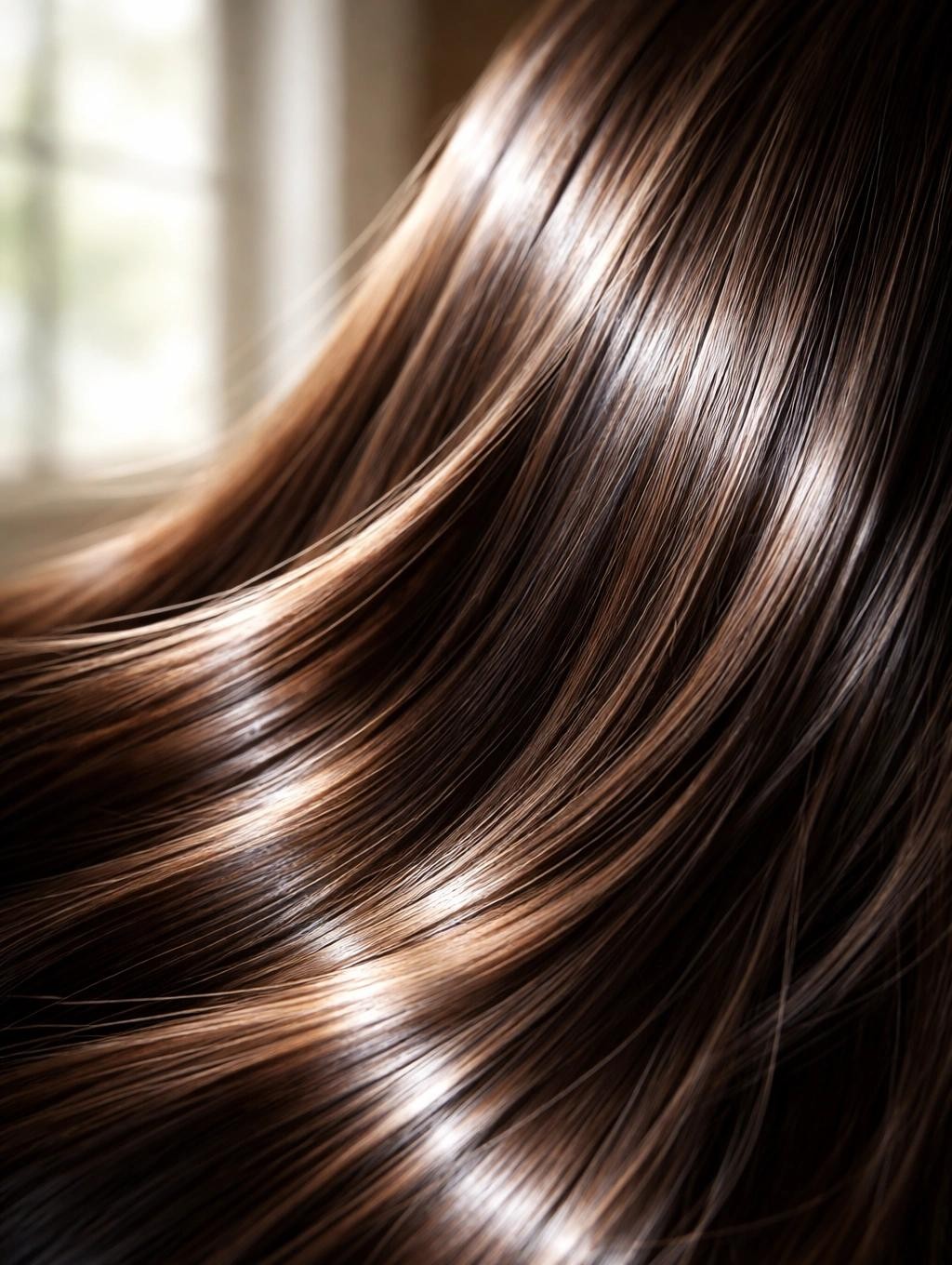
Beautiful, thick, and healthy hair is often the result of proper care, a balanced diet, and overall well-being.
When it comes to hair restoration, it is important to understand that it involves more than just using shampoos and masks; it requires a holistic approach that includes scalp care, proper nutrition, and protection against damage.
Hair restoration is a care process designed to improve the condition of hair, aiming to restore a better appearance, softness, elasticity, and shine to damaged, dry, brittle, or weakened hair.
Hair can become damaged due to:
• frequent coloring and bleaching,
• the use of flat irons, curling irons, and hair dryers,
• exposure to the sun, wind, and other external factors,
• improper care,
• chemical treatments.
How does hair restoration work?
The process may include:
• Moisturizing – restores softness and elasticity to the hair.
• Protein treatments – help strengthen the damaged hair structure.
• Bond repair – helps improve the internal structure of damaged hair.
• Nourishing masks and oils – enhance appearance, smoothness, and shine.
• Trimming the ends – removes split and damaged sections.
With proper care, you can significantly improve the quality and appearance of your hair, as well as its resistance to further damage.
The goal of hair restoration is for the hair to become healthier-looking, stronger, softer, and shinier. 💇♀️✨
Why is hair restoration important?
• Strengthening hair fibers: reduces breakage and improves hair resilience.
• Scalp health: proper care helps maintain a healthy environment for hair growth.
• Improved appearance: hair becomes smoother, shinier, more elastic, and easier to manage.
• Preventing further damage: minimizing heat styling, harsh chemical treatments, and mechanical pulling.
• Supporting natural growth: adequate intake of protein, iron, zinc, and other essential nutrients helps when deficiencies are the cause of hair problems.
Important: a damaged hair fiber cannot be biologically restored to its original state, but with proper care, it can be protected, its appearance improved, and further breakage minimized.
Key hair restoration procedures
1. Gentle scalp cleansing
Use a mild shampoo suitable for your scalp type. When washing, gently massage the scalp with your fingertips, avoiding scratching with your fingernails. Use a conditioner after every wash to make detangling easier and reduce breakage.
2. Moisturizing and nourishing hair fibers
You can use a hair mask once or twice a week, depending on your hair’s needs. Products containing ingredients such as panthenol, glycerin, ceramides, or hydrolyzed proteins can improve the feel, smoothness, and manageability of your hair.
3. Nutritional support for hair growth
Ensure an adequate intake of protein, iron, zinc, and other nutrients. Include eggs, legumes, fish, nuts, seeds, vegetables, and whole foods in your diet. Supplements are advisable primarily if a deficiency has been diagnosed.
4. Scalp massage and care
A gentle massage can promote relaxation and provide a pleasant sensation on the scalp. However, evidence that massage alone reliably stimulates new hair growth remains limited. Avoid massaging the scalp if it is irritated or sore.
5. Protection against damage
Limit the use of flat irons and curling irons, use heat protectant products, and detangle your hair gently. Avoid very tight hairstyles and frequent, harsh chemical treatments.
Benefits of a proper routine
Area Potential benefit
Hair strands Less breakage and split ends
Scalp Reduced irritation with the right product choices
Hair appearance Increased smoothness, shine, and elasticity
Nutrition Support for normal growth when nutritional needs are met
Long-term care Easier detection of changes and timely intervention
Nutrition and protection
Balanced meals, sufficient sleep, gentle handling, and minimized heat exposure.
Adjust washing frequency based on scalp oiliness, physical activity, and hair type. Keep the routine simple and sustainable.
When is a professional approach needed?
If you experience significant hair loss, thinning, bald patches, itching, pain, or inflammation, a consultation with a dermatologist is recommended. Causes can be hormonal, hereditary, nutritional, or related to illness or specific medications. Treatment therefore depends on the diagnosis.
Effective treatments exist for certain types of hair loss, but no single procedure works the same way for everyone. Dietary supplements are not automatically beneficial, as an excess of certain vitamins and minerals can actually worsen the problem.
You may like these too
Hair restoration
Beautiful, thick, and healthy hair is often the result of proper care, a balanced diet, and overall
06.11.2026

A good lifestyle – the path to health, vitality, and happiness
A good lifestyle is more than just healthy eating; it is a way of living in which we take care of ou
05.11.2026

Pizza
Pizza is one of the most popular and widespread dishes in the world. From humble beginnings in Naple
05.11.2026
Eating habits and the energy value
Eating habits and the energy value of food are the foundation of our physical and mental well-being.
03.11.2026