
Eating habits and the energy value

03.11.2026

Eating habits and the energy value of food are the foundation of our physical and mental well-being. Food is not merely fuel; it is also a building block for our bodies and an important part of social life.
- The importance of energy in a healthy diet
The energy we derive from food is measured in kilocalories (kcal) or kilojoules (kJ).
Our bodies require energy for two main purposes:
- Basal metabolic rate (BMR): The energy the body expends at rest to maintain basic vital functions (breathing, heartbeat, brain function).
- Physical activity: Energy for movement, work, and sports.
Energy balance
- Energy balance (intake = expenditure): Maintenance of body weight.
- Positive balance (intake > expenditure): Accumulation of excess energy as adipose tissue (weight gain).
- Negative balance (intake < expenditure): The body draws energy from its own reserves (weight loss).
Important: It is not just the quantity of caloric intake that matters, but also the quality. 200 kcal from vegetables and lean protein has a completely different impact on hormones, satiety, and health than 200 kcal from sugary drinks. 2. Advantages and benefits of healthy eating habits
Developing balanced eating habits offers both short-term and long-term benefits:
Long-term health benefits
- Prevention of chronic diseases: Reduces the risk of cardiovascular disease, type 2 diabetes, high blood pressure, and certain types of cancer.
- Stronger immune system: Adequate nutrients (vitamins, minerals, antioxidants) help the body fight infections.
- Digestive health: Fiber in a healthy diet supports a healthy gut microbiota and regular digestion.
- Maintaining a healthy body weight: A stable weight reduces strain on the joints and heart.
Short-term daily benefits
- Stable energy levels: Fewer blood sugar fluctuations mean more consistent energy without afternoon fatigue.
- Improved mood and cognitive function: Food directly affects brain function, concentration, and memory.
- Better sleep: A light, balanced dinner allows for deeper, more restorative sleep.
- Macronutrients: Energy sources and building blocks
For optimal functioning, the body requires the right balance of three main macronutrients:
- Carbohydrates: Contain approximately 4 kcal per gram. They serve as the primary and fastest source of energy for the body and brain. Healthy sources include whole grains, legumes, vegetables, and fruit.
- Protein: Also contains approximately 4 kcal per gram. Its primary role is building and repairing tissues (such as muscle and skin) and producing hormones and enzymes. Healthy sources include lean meat, fish, eggs, legumes, tofu, and dairy products.
- Fats: Contain approximately 9 kcal per gram. They are important for energy storage, the absorption of fat-soluble vitamins (A, D, E, K), and organ protection. Healthy sources include olive oil, avocado, nuts, seeds, and fatty fish.
- Practical tips for improving dietary habits
Changing dietary habits should be gradual—small steps lead to long-term results.
- Follow the “healthy plate” principle:
○ 1/2 of the plate: Vegetables and fruit (of various colors).
○ 1/4 of the plate: High-quality protein (fish, lean meat, legumes).
○ 1/4 of the plate: Complex carbohydrates (whole-grain rice, pasta, buckwheat, potatoes).
○ Addition: A moderate amount of healthy fats (e.g., a tablespoon of olive oil).
- Choose unprocessed or minimally processed foods:
○ Limit industrially processed foods that contain high levels of hidden sugars, trans fats, and salt.
- Don’t forget hydration:
○ Water is crucial for all metabolic processes. Drink 1.5 to 2 liters of water or unsweetened tea per day.
- Practice mindful eating:
○ Eat slowly, without distractions (no television or phone), and listen to your body’s hunger and satiety signals.
- Plan meals in advance:
○ Planning a weekly menu and a shopping list makes it easier to avoid unhealthy, quick food choices when you are hungry.
You may like these too

A good lifestyle – the path to health, vitality, and happiness
A good lifestyle is more than just healthy eating; it is a way of living in which we take care of ou
05.11.2026
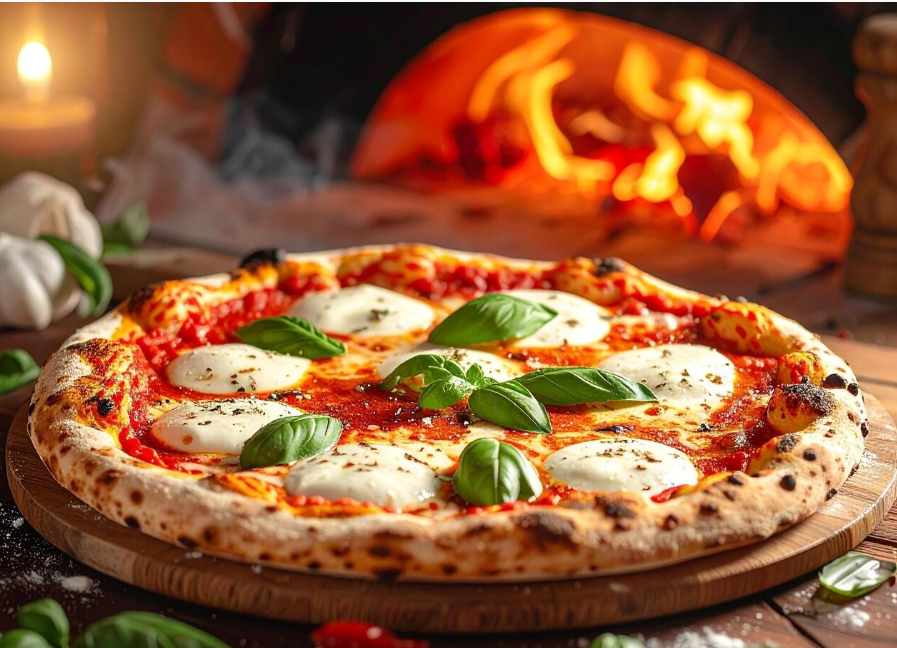
Pizza
Pizza is one of the most popular and widespread dishes in the world. From humble beginnings in Naple
05.11.2026
Eating habits and the energy value
Eating habits and the energy value of food are the foundation of our physical and mental well-being.
03.11.2026
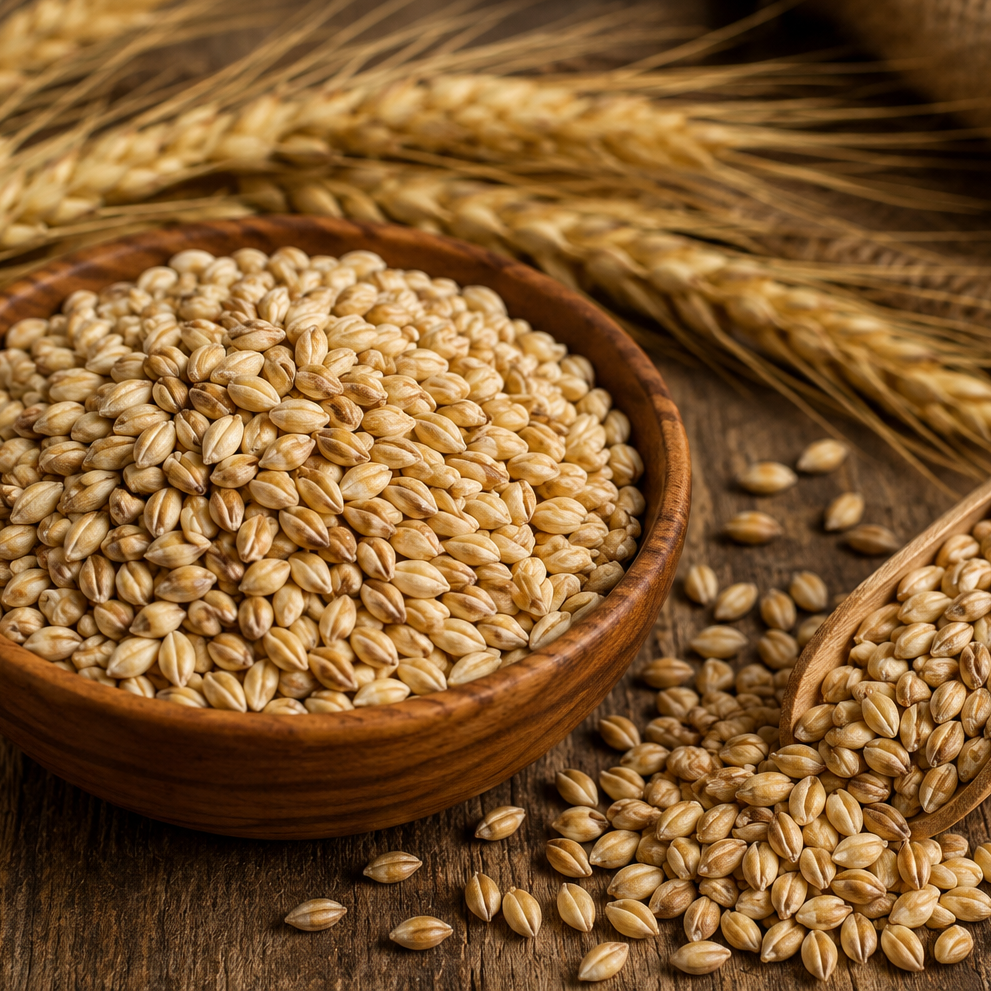
Barley
Barley (*Hordeum vulgare*) is one of the oldest cultivated grains in the world. Due to its rich nutr
03.11.2026