Pizza

05.11.2026
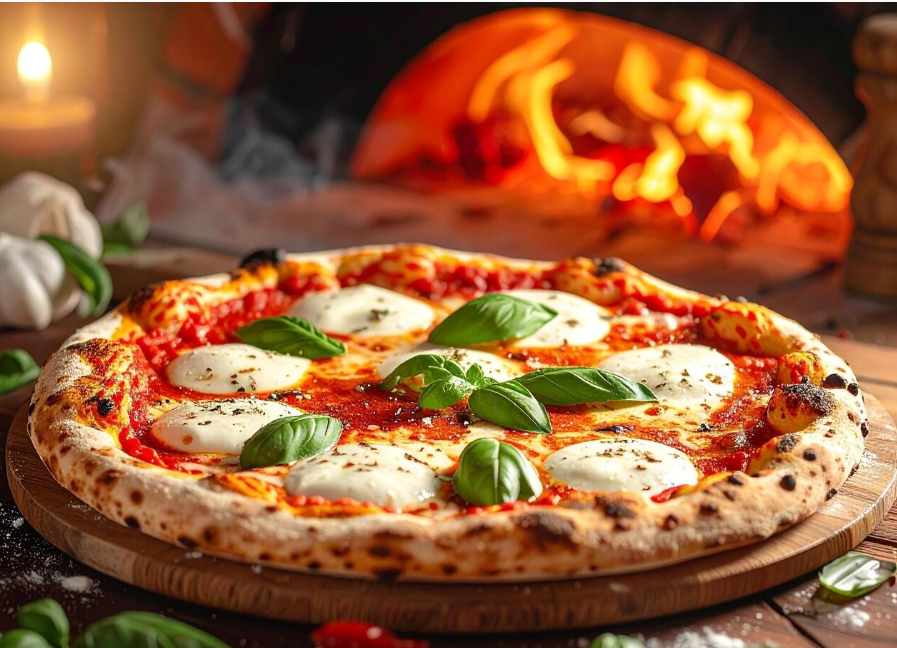
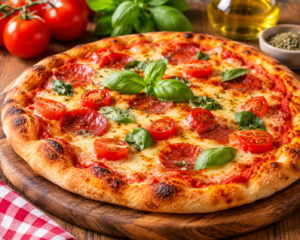
Pizza is one of the most popular and widespread dishes in the world.
From humble beginnings in Naples, Italy, it has evolved into a global culinary phenomenon that brings people together and allows for endless creativity in the kitchen.
1. The significance and history of pizza
Pizza is not merely fast food; it is a cultural icon. The traditional Neapolitan art of pizza making (*Pizzaiuolo*) is even inscribed on UNESCO’s Representative List of the Intangible Cultural Heritage of Humanity.
• Social significance: Pizza is a dish meant for sharing. It brings families and friends together for celebrations, weekends, or social gatherings.
• Cultural adaptability: Every culture and cuisine can adapt it to local ingredients and tastes.
2. Characteristics and advantages of a good pizza
A genuine, high-quality pizza possesses distinct characteristics:
• Perfect dough: Light and airy, with characteristic bubbles along the rim (*cornicione*) and a crispy base.
• Balance of flavors: A harmony between the acidity of the tomatoes, the richness of the cheese, and the freshness of herbs or toppings.
• Versatility: It can easily be adapted to various dietary needs (vegetarian, vegan, gluten-free, high-protein).
3. Health and nutritional benefits
Although pizza is often categorized as “fast food,” homemade or artisan-style pizza can be a very balanced and nutritious meal:
• Complex carbohydrates: Long dough fermentation (36–48 hours) breaks down starches and proteins, making the dough easier to digest and preventing a feeling of heaviness.
• Lycopene from tomatoes: Cooked tomato sauce is rich in lycopene—a powerful antioxidant that protects cells and supports heart health.
• Protein and calcium: High-quality mozzarella or other cheeses provide the building blocks for muscles and bones.
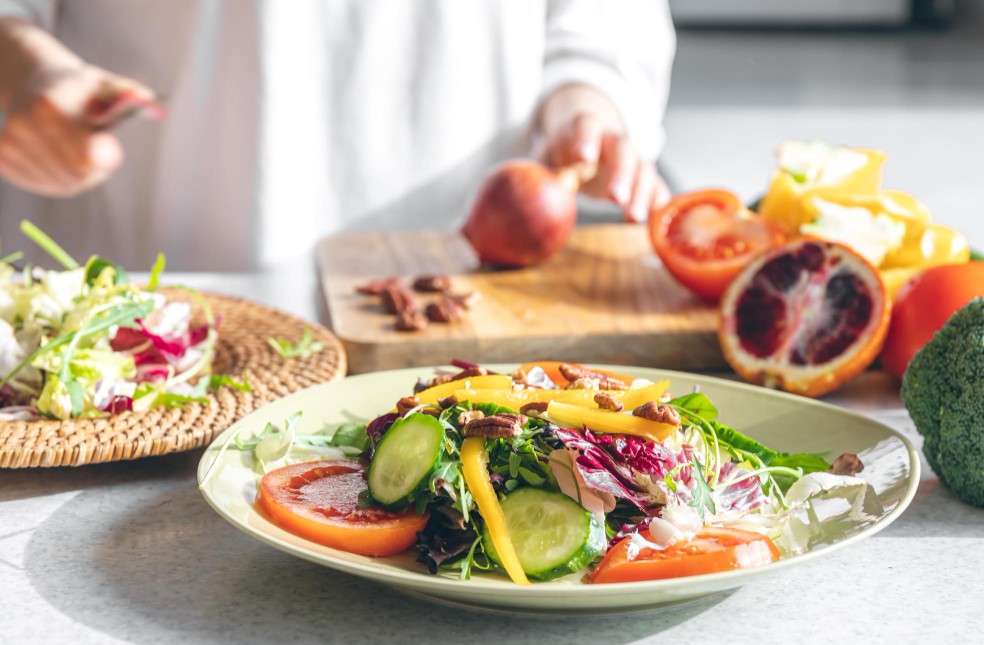
• Fiber and vitamins: Adding fresh vegetables (bell peppers, mushrooms, spinach, arugula) quickly boosts the pizza’s fiber and micronutrient content.
4. Key tips for the perfect homemade pizza
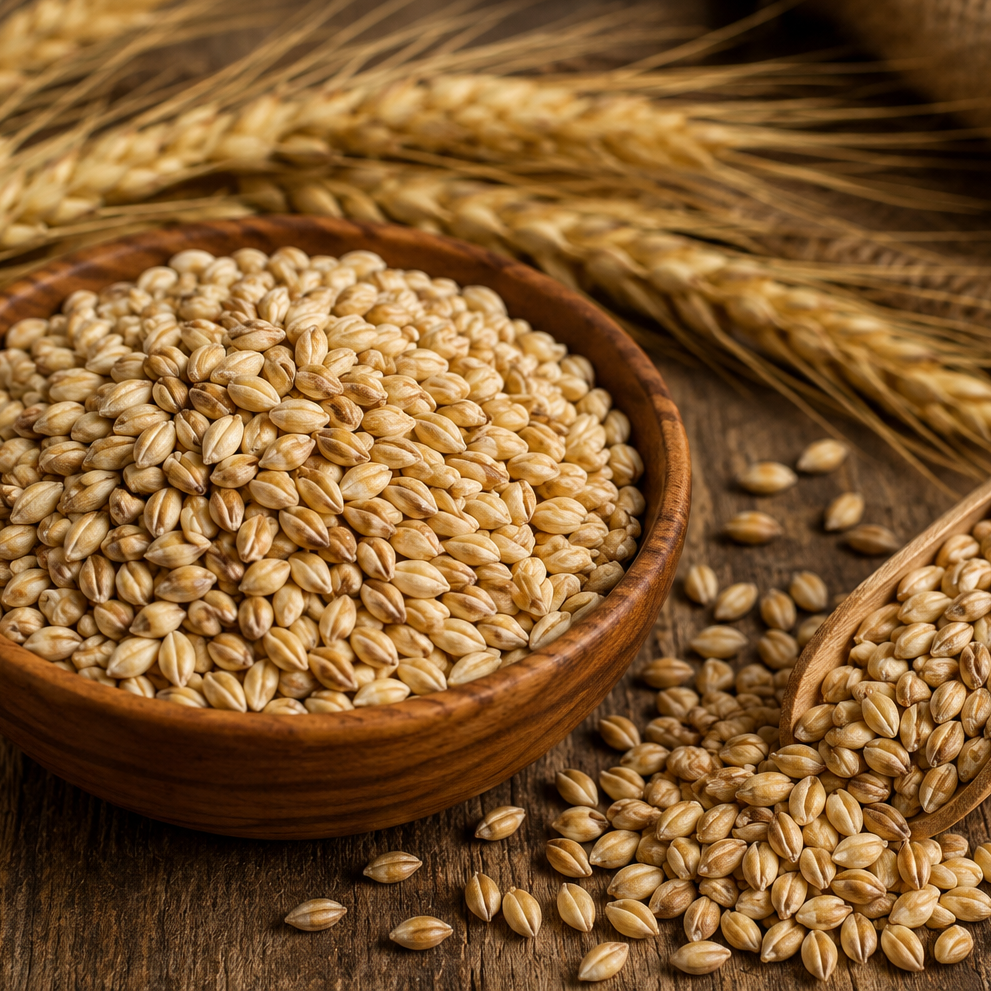
1. Use the right flour: For an Italian-style dough, use “Tipo 00” flour with high protein content (at least 12–13%); this ensures high elasticity and a good rise.
2. Give the dough time (Cold fermentation): Knead the dough using very little yeast and let it rest in the refrigerator for 24 to 48 hours. The flavor will be incomparably better, and the texture exceptionally light.
3. Maximum oven temperature: Preheat your home oven to its highest setting (usually 250–300°C) with the baking tray or pizza stone inside for at least 45 minutes before baking.
4. Less is more when it comes to toppings: Too much sauce or cheese will make the dough soggy. Use just the right amount of topping so the dough bakes evenly.